
7 Natural Ways to Balance Blood Sugar Using Ayurveda
Understanding Blood Sugar in Ayurveda
In Ayurveda, blood sugar management is closely tied to metabolic balance, known historically as managing Madhumeha. According to Ayurvedic wisdom, healthy blood sugar relies on a balanced Agni (digestive fire) and proper regulation of the Kapha dosha. When metabolism becomes sluggish and digestive toxins (Ama) accumulate, the body struggles to process nutrients efficiently.
By focusing on holistic lifestyle practices, mindful eating, and traditional herbal care, Ayurveda offers a time-tested approach to maintaining stable energy and naturally balanced glucose levels.
1. Embrace Bitter and Astringent Foods
Modern diets often overemphasize sweet and salty tastes, which can exacerbate metabolic imbalance. Ayurveda categorizes foods into six distinct tastes, emphasizing that bitter (Tikta) and astringent (Kashaya) flavors help counteract excess sweetness in the system.
Incorporating specific vegetables and herbs into daily meals helps stimulate healthy liver function and metabolic response. Consider adding these foods to your plate:
- Bitter gourd (Karela) cooked into light stir-fries or consumed in small quantities as fresh juice
- Fenugreek seeds (Methi) soaked overnight and consumed in the morning
- Amla (Indian Gooseberry) for its rich antioxidant content and natural digestive support
- Turmeric added generously to warm soups and cooked grains
2. Warm Up Your Digestive Fire (Agni)
A strong metabolic fire is essential for converting food into energy rather than letting it linger as excess glucose or digestive waste. When Agni is weak, digestion slows down, leading to sluggishness and unstable blood sugar spikes after meals.
You can naturally stimulate your digestive fire by sipping warm water throughout the day instead of ice-cold beverages. Adding warm spices like dry ginger, black pepper, cinnamon, and cumin to cooked dishes helps enhance nutrient absorption while keeping your metabolic engine running smoothly.
3. Utilize Dedicated Ayurvedic Formulations
Herbal wisdom plays a vital role in consistent glucose care. Traditional formulations bring together synergistic herbs designed to support insulin sensitivity, healthy pancreatic function, and balanced glucose metabolism.
To support your daily wellness goals, you can incorporate dedicated remedies formulated for glucose balance:
- Insozen Capsules: An Ayurvedic proprietary formulation specially designed to support healthy blood sugar management in a convenient daily form.
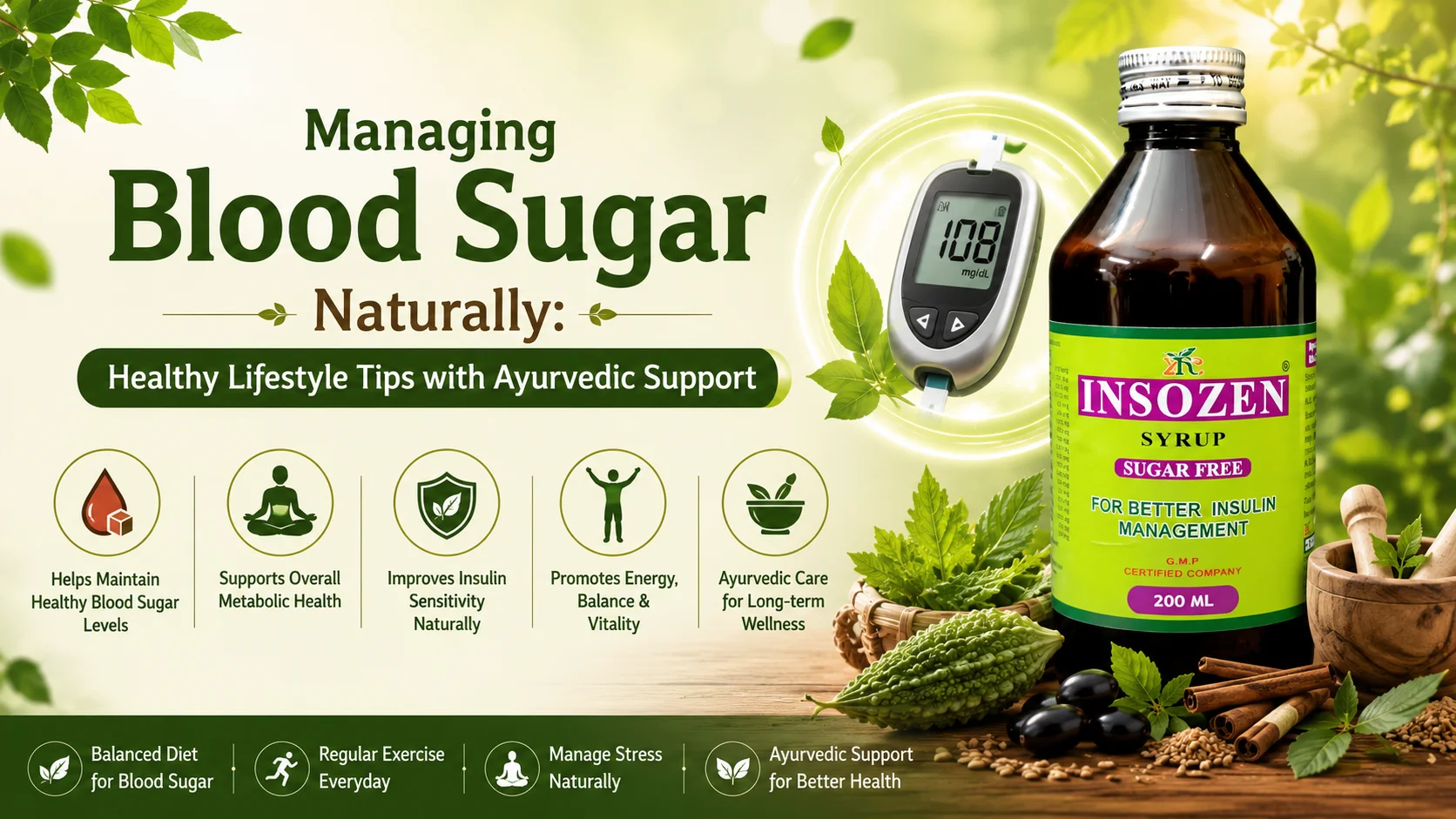
- Insozen Syrup: An Ayurvedic medicine formulated to support healthy blood sugar management in a natural and gradual way, ideal for those who prefer liquid herbal supplements.
- Insozen Powder: An Ayurvedic proprietary formulation specially designed to support healthy blood sugar management and maintain daily metabolic vitality.
- Insozen Capsules 30: A compact pack option for maintaining your daily schedule of blood sugar support herbs.
4. Adopt a Kapha-Pacifying Diet
Because metabolic sluggishness is often associated with an imbalance in the Kapha dosha, consuming lighter, highly nutritious grains and foods helps prevent energy crashes. Refined flour, processed sugars, and excessively oily meals tend to overload the body's metabolic pathways.
Transition to nourishing, complex carbohydrates that release energy gradually:
- Barley (Jau), which is traditionally valued in Ayurveda for its light, clearing qualities
- Millet and Ragi as nutrient-dense alternatives to refined wheat and white rice
- Mung dal and light legumes cooked with digestive spices
- Fresh leafy green vegetables steamed or cooked lightly
5. Engage in Regular Physical Activity (Vyayama)
Physical movement is one of the most effective natural methods for improving tissue responsiveness to glucose. In Ayurvedic practice, regular moderate exercise (Vyayama) helps clear excess Kapha, reduces Ama, and builds physical stamina.
Engage in brisk walking for at least 30 minutes every day, preferably in the morning air. Taking a gentle, 10-minute walk immediately after major meals can also significantly reduce post-meal blood sugar surges by encouraging muscles to utilize circulating glucose for energy.
6. Manage Stress and Cultivate Mindful Rest
Stress triggers the release of hormones like cortisol, which direct the liver to release extra glucose into the bloodstream. Chronic stress creates an ongoing elevation in blood sugar regardless of dietary discipline. Ayurveda places equal emphasis on mental tranquility and physical health.
Practice daily stress-reduction techniques such as Pranayama (controlled breathing exercises like Nadi Shodhana) and gentle Yoga poses. Establishing a consistent sleep routine by going to bed before 10:00 PM helps restore hormonal balance and improves morning glucose stability.
7. Support Liver Health and Metabolism
The liver is the primary organ responsible for storing and releasing glucose as needed by the body. When liver function is compromised or sluggish, overall blood sugar regulation suffers. Supporting your liver ensures smooth metabolic processes and efficient detoxification.
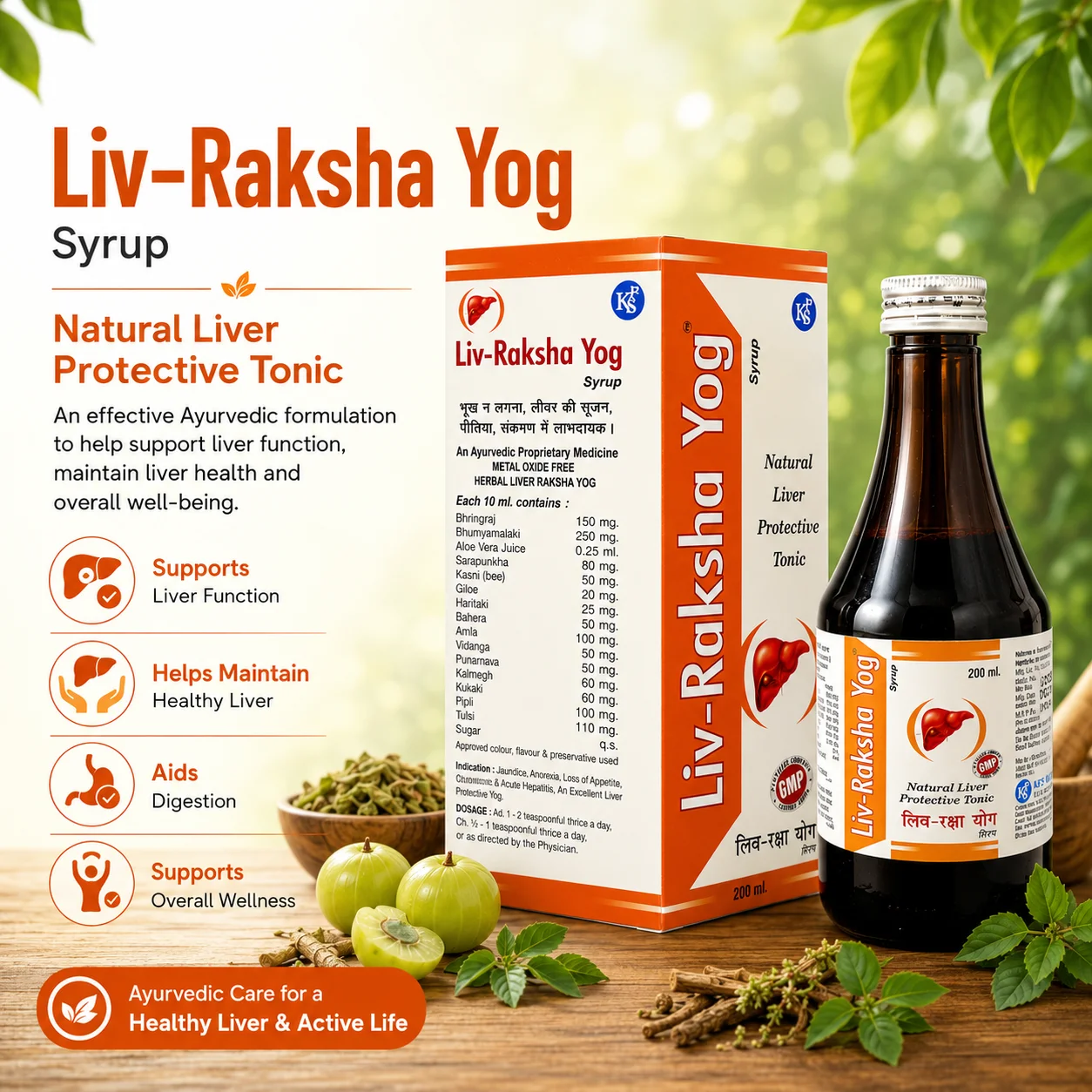
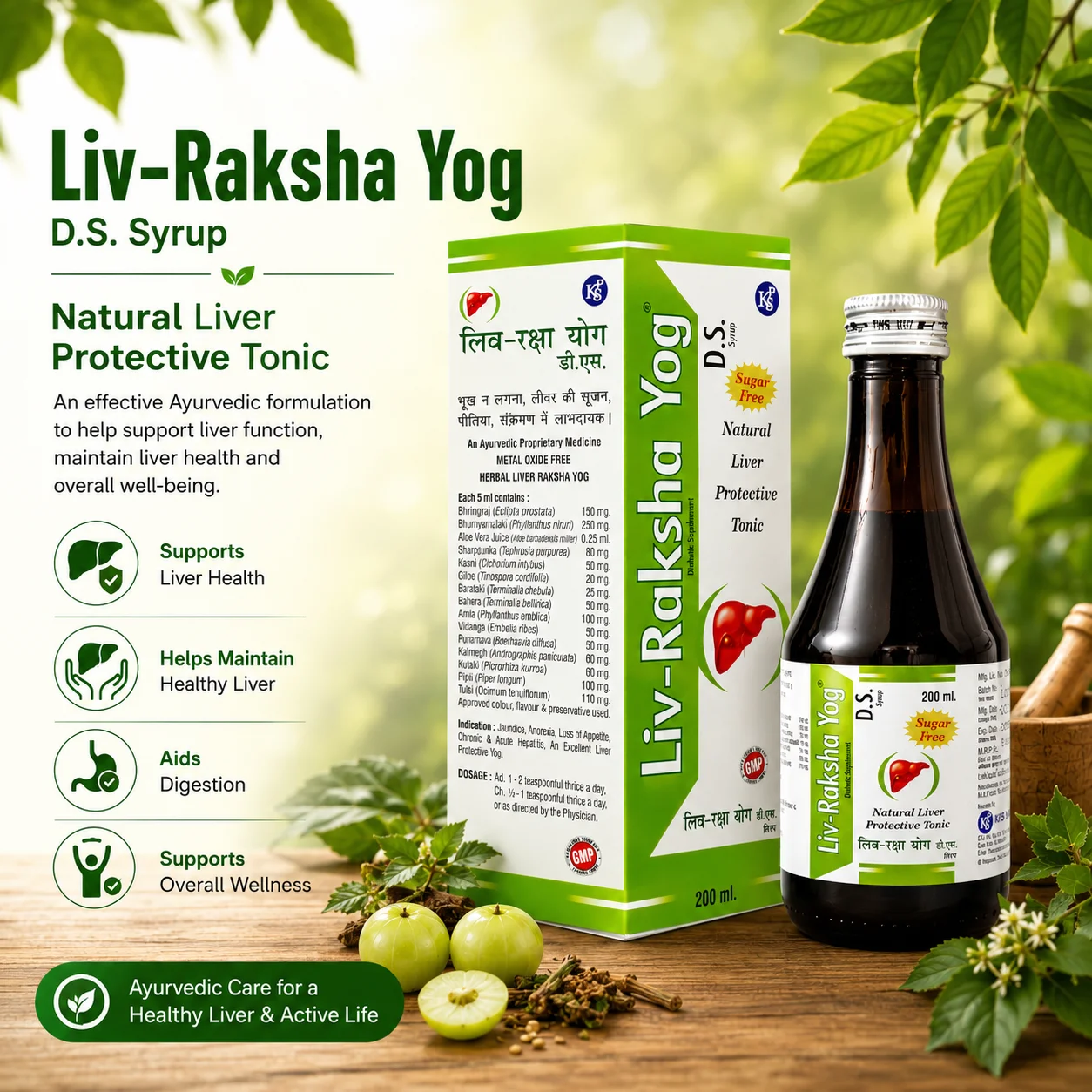
Along with consuming bitter greens, targeted herbal liver support can enhance your overall metabolic wellness routine. Using a specialized formulation like Liv Raksha Yog Sugar Free provides advanced liver care designed specifically to support healthy liver function and digestion without adding unwanted sugars to your daily diet.
Conclusion
Balancing blood sugar naturally is a journey of daily consistency rather than quick fixes. By combining a light, spice-infused diet, stress-reducing practices, regular movement, and targeted Ayurvedic care, you can create a strong foundation for long-term vitality and metabolic health.
Disclaimer: The suggestions above are for general wellness information only and are not a substitute for professional medical advice, diagnosis, or treatment. Please consult a qualified Ayurvedic practitioner or licensed doctor before starting any new remedy or product — especially if you are pregnant, nursing, on medication, or managing an existing health condition.
Related Posts


Recommended For You