
5 Simple Ayurvedic Habits for Better Gut Health
Unlocking Gut Health Through Ancient Ayurvedic Wisdom
In modern life, digestive discomfort has become an all-too-common issue. From bloating and sluggishness to acidity and irregular elimination, many of us struggle to feel our best after meals. In Western wellness, we often hear about the gut microbiome, but Ayurveda has focused on the digestive system for thousands of years. In Ayurvedic philosophy, optimal health begins in the gut, driven by a powerful force known as Agni—our central digestive fire.
When your Agni is strong, your body efficiently breaks down food, absorbs vital nutrients, and transforms what you eat into energy and vital essence. However, when Agni becomes weak, imbalanced, or overwhelmed, digestion stalls. This can lead to the formation of Ama—undigested toxic residue that builds up in the digestive tract and eventually spreads throughout the body, causing fatigue, poor skin, and chronic discomfort. Fortunately, restoring your gut health doesn't require extreme diets or complicated routines. Here are 5 simple, time-tested Ayurvedic habits you can adopt today for a happier, healthier gut.
1. Drink Warm Water Throughout the Day
One of the easiest yet most powerful habits in Ayurveda is swapping ice-cold drinks for warm or room-temperature water. Think of your digestive fire, Agni, as a literal flame. Drinking freezing water right before, during, or after a meal is like pouring cold water over a flickering campfire—it extinguishes the heat needed to process your food effectively.
Sipping warm water throughout the day helps keep Agni steady, flushes out accumulated toxins (Ama), and relaxes the muscles of the digestive tract. If you tend to experience sluggish digestion or heavy bloating after eating, try drinking a small cup of warm water about 30 minutes after your meal to encourage smooth digestion.
2. Eat Mindfully and Without Distractions
In our fast-paced world, eating has become a multi-tasking activity. We scroll through our phones, watch television, or reply to emails while eating on the go. Ayurveda teaches that the process of digestion begins long before food reaches your stomach—it starts with your senses.
When you sit down, look at your meal, smell the aromas, and focus entirely on eating, your brain signals the nervous system to enter a parasympathetic state (often called "rest and digest"). This state prompts the mouth to produce saliva and the stomach to release vital digestive juices. To practice mindful eating:
- Sit down in a calm environment for every meal.
- Put away screens, work, and stressful reading material.
- Chew each bite thoroughly until the food is liquified before swallowing.
- Take a deep breath between bites to stay present.
3. Honor Your Largest Meal at Midday
Ayurveda aligns human physiology with the rhythms of nature. The natural world experiences its maximum heat and energy at noon when the sun is highest in the sky. Similarly, your internal digestive fire, Agni, burns strongest between 12:00 PM and 2:00 PM.
Because your body is naturally primed to break down heavier nutrients during midday, Ayurveda recommends making lunch your largest, most nourishing meal of the day. Conversely, as the sun sets, your Agni naturally cools down and slows down. Eating a lighter, simpler dinner—such as warm soups, cooked vegetables, or steamed grains—ensures your body isn't working overtime to digest heavy food while you sleep, leading to deeper rest and a clearer mind in the morning.
4. Incorporate Digestive Spices into Your Cooking
Ayurvedic cooking treats the spice rack as a natural pharmacy for gut health. Adding kitchen spices to your dishes isn't just about enhancing flavor; these culinary herbs stimulate digestive enzymes, reduce gas, and prevent the build-up of undigested toxins.
Some key digestive spices to use daily include:
- Ginger: Known as the "universal medicine" in Ayurveda, fresh ginger kindles Agni and relieves nausea and bloating.
- Cumin: Helps clear excess gas and supports nutrient absorption without aggravating internal heat.
- Fennel: Cooling and soothing, fennel seeds are excellent for easing stomach cramps, acid reflux, and post-meal tightness.
- Coriander: Calms an overheated digestive system while supporting smooth bowel movements.
- Asafoetida (Hing): Ideal when cooking beans, lentils, or cruciferous vegetables to break down tough starches and reduce gas.
5. Support Your System with Herbal Formulations
While daily habits form the foundation of gut health, natural herbal support can offer an extra boost when your digestive system feels consistently out of balance. Traditional Ayurvedic herbs work synergistically with your body to kindle Agni, aid liver function, and maintain regular elimination.
If you experience persistent loss of appetite, occasional bloating, or overall sluggish digestion, incorporating dedicated herbal digestive care can help gently bring your system back into harmony. Formulations like "Dizofit Ayurvedic Digestive Tonic" are specifically crafted to support healthy digestion, improve appetite, and encourage comfortable, efficient digestive processing.
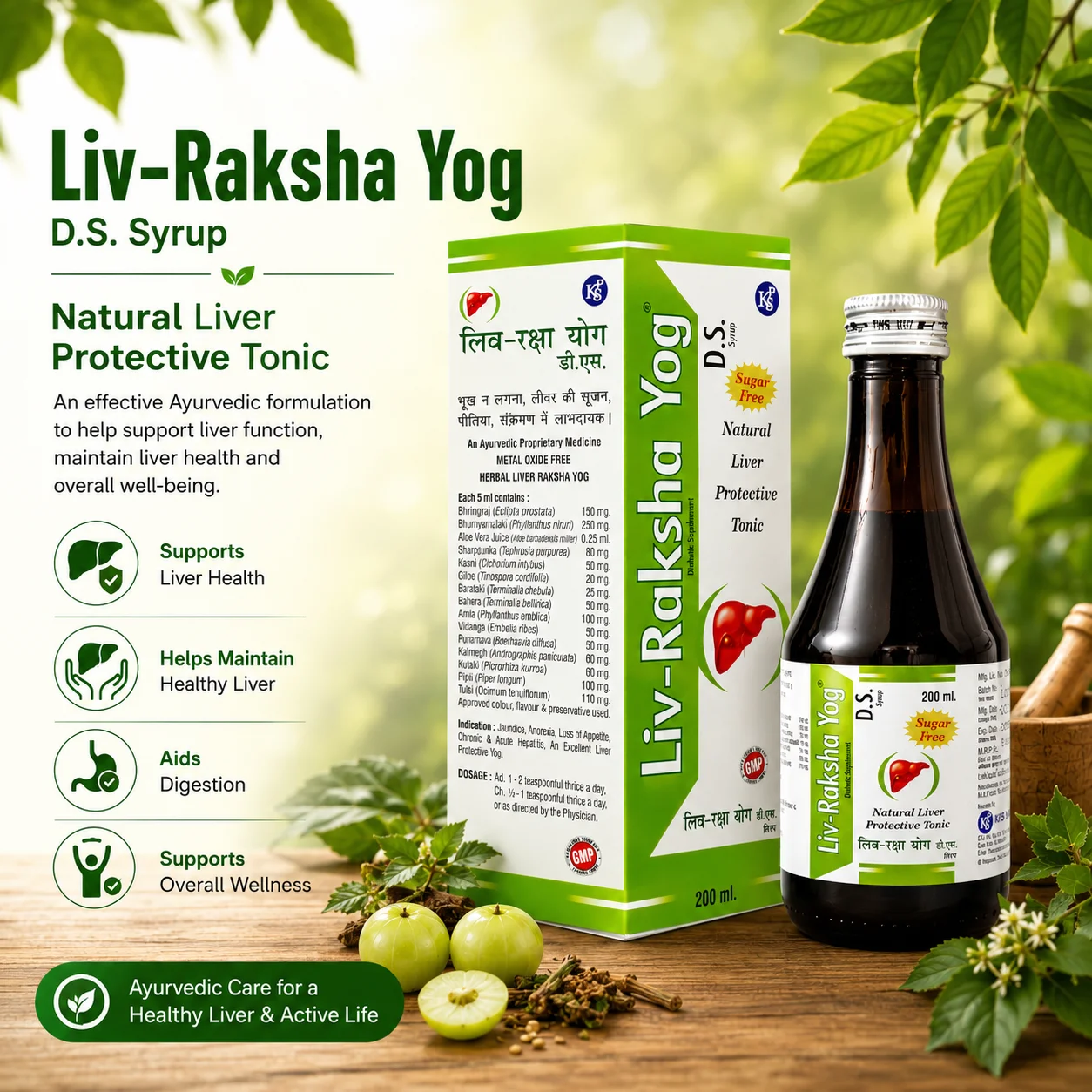
Additionally, because your liver plays a central role in producing bile and processing nutrients, liver support is deeply intertwined with gut health. Formulas such as "Liv Raksha Yog" (or "Liv Raksha Yog Sugar Free") support liver wellness, enhance digestive fire, and protect vital metabolic organs from stress.
Start Your Journey to a Happier Gut Today
Transforming your gut health does not require a complete lifestyle overhaul overnight. Start small by picking one or two habits—such as switching to warm water or making lunch your main meal—and observe how your body responds over the next few weeks. By listening to your body and honoring the timeless principles of Ayurveda, you can build a resilient digestive system that supports your energy, clarity, and overall well-being for years to come.
Disclaimer: The suggestions above are for general wellness information only and are not a substitute for professional medical advice, diagnosis, or treatment. Please consult a qualified Ayurvedic practitioner or licensed doctor before starting any new remedy or product — especially if you are pregnant, nursing, on medication, or managing an existing health condition.
Related Posts



Recommended For You